
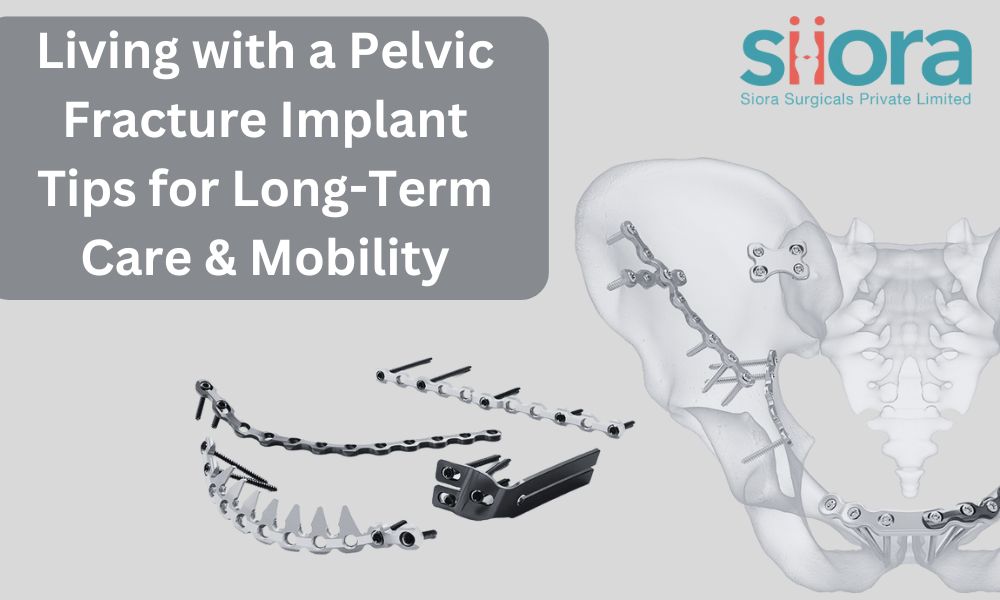
A pelvic fracture can be a life-altering event, and for many, the road to recovery includes the placement of pelvis plate implants to stabilize the bones. While medical advancements have made these implants effective in restoring function, adjusting to life with one requires patience, resilience, and the right approach to long-term care. If you’re living with a pelvic fracture implant, here are some essential tips to help you maintain mobility, reduce discomfort, and enjoy a fulfilling life.
Understanding Your Pelvic Fracture Implant
Pelvic implants, often made of titanium or stainless steel, are designed to support the bones as they heal. While they provide much-needed stability, they can also bring some challenges, such as stiffness, discomfort, and occasional limitations in movement. Being informed about your implant and how it integrates with your body is the first step in adapting to this new reality.
Tips for Long-Term Care After Pelvic Surgery
Prioritizing Physical Therapy
One of the most crucial aspects of post-implant recovery is physical therapy. A structured rehabilitation program helps restore mobility, strengthen surrounding muscles, and prevent stiffness. Here are some key components of effective physical therapy:
- Stretching Exercises: Gentle stretching reduces stiffness and enhances flexibility.
- Strength Training: Strengthening core and lower body muscles can help support the pelvis and reduce strain on the implant.
- Low-Impact Activities: Swimming, stationary cycling, and yoga can improve mobility without placing excessive stress on the implant.
Regular therapy sessions, along with at-home exercises, will significantly improve your overall function and comfort.
Managing Pain and Discomfort
Some individuals experience mild to moderate pain even after their fracture has healed. Here are a few ways to manage discomfort:
- Medication: Consult your doctor about pain relief options, including non-steroidal anti-inflammatory drugs (NSAIDs) or prescribed painkillers if necessary.
- Heat and Cold Therapy: Applying a heating pad or ice pack can help reduce inflammation and soothe sore muscles.
- Massage Therapy: Gentle massage around the affected area can improve circulation and alleviate stiffness.
- Mindfulness Techniques: Practices like meditation and deep breathing can help in managing chronic pain.
Adapting Daily Activities
Adjusting to life with a pelvic implant may require modifications in your daily routine. Here are some practical tips:
- Use Assistive Devices: Depending on your mobility, items like a cane, walker, or ergonomic chair may be beneficial.
- Modify Your Home: Ensure that your living space is safe and accessible. Install grab bars in the bathroom, use non-slip mats, and arrange furniture to allow for easy movement.
- Practice Proper Posture: Sitting and standing with correct posture reduces unnecessary strain on the pelvis.
- Avoid High-Impact Activities: Running, jumping, and heavy lifting can put excessive stress on your implant.
Nutrition for Bone Health
A balanced diet plays a significant role in supporting bone strength and overall healing. Focus on:
- Calcium-Rich Foods: Dairy, leafy greens, and fortified foods help maintain bone density.
- Vitamin D: Sun exposure and foods like salmon, eggs, and mushrooms can aid calcium absorption.
- Protein: Lean meats, beans, and nuts contribute to muscle and tissue repair.
- Anti-Inflammatory Foods: Omega-3 fatty acids found in fish and flaxseeds can help reduce inflammation.
Listening to Your Body
Recovery and adaptation are unique for each individual. Pay attention to any signs of discomfort, swelling, or changes in mobility. If you experience persistent pain or difficulty moving, consult your healthcare provider promptly. They may recommend additional therapy, adjustments in medication, or even further medical interventions if needed.
Embracing a Positive Mindset
Living with a pelvic fracture implant may come with its set of challenges, but maintaining a positive outlook can make a significant difference. Connect with support groups, engage in activities you enjoy, and celebrate small progress milestones. A proactive and optimistic mindset will not only improve your mental well-being but also enhance your overall recovery experience.
Final Thoughts
Adjusting to life with a pelvic fracture implant is a journey that requires patience and dedication. By following a structured rehabilitation plan, managing pain effectively, and making necessary lifestyle adjustments, you can regain mobility and lead a comfortable, fulfilling life. Always stay in close communication with your healthcare team and prioritize self-care to ensure the best long-term outcomes. Your body is capable of remarkable healing, embrace the process with confidence and resilience.
If you are looking to become a trustworthy orthopedic implant distributor in USA, contact Siora Surgicals Pvt. Ltd., a renowned and experienced trauma implant manufacturer and supplier in India.
 Healthy Bones
Leave a comment